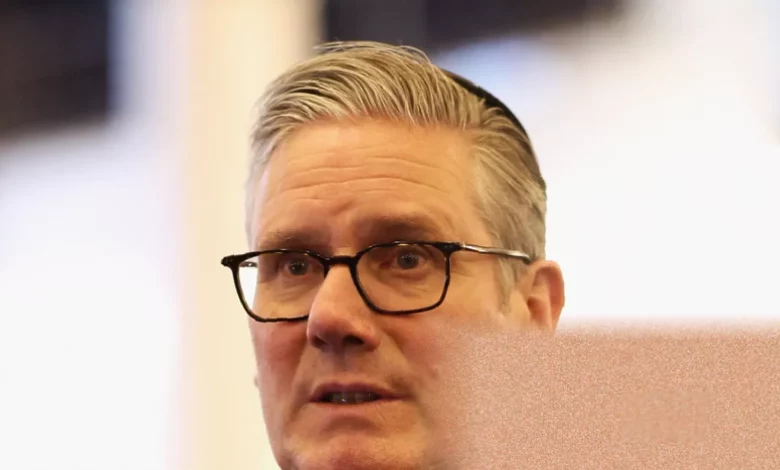
Sir Keir Starmer has insisted he will lead Labour into the next general election, vowing not to walk away from the mandate his party won in 2024, as the fallout over the Peter Mandelson ambassadorship intensifies.
“We didn’t wait 14 years to get elected, we didn’t change the Labour party, we didn’t do all that it entailed to win the election and the mandate for change, not to deliver on it,” the prime minister told the Sunday Times when pressed on whether his premiership was over. “Yes,” he said when asked directly if he would lead the party at the next election. The promise comes after a bruising week in which Downing Street allies have denied any wrongdoing over the appointment of Lord Mandelson as US ambassador, despite revelations that vetting officials recommended he be denied security clearance.
The Mandelson vetting scandal
The core of the controversy lies in the vetting process and the mounting questions over whether Sir Keir misled parliament. UK Security Vetting (UKSV) officials flagged “high concern” and ticked two red boxes on Lord Mandelson’s vetting form, recommending he be denied “developed vetting” clearance in January 2025. Despite that recommendation, Foreign Office officials overruled UKSV and granted the clearance, allowing Mandelson to take up his post as ambassador in February 2025. He was ultimately sacked in September 2025 after revelations about his close ties to the convicted sex offender Jeffrey Epstein – ties that included Mandelson referring to Epstein as his “best pal” and allegedly passing sensitive government information to him in 2009, as well as payments received by Mandelson and his husband from Epstein.
The prime minister has acknowledged that appointing Mandelson was a mistake, saying he would not have gone ahead had he known about the failed vetting. He placed blame squarely on Foreign Office officials for not informing him, describing the situation as “staggering” and “unforgivable.” Yet his handling of the row has drawn sharp criticism, including his swift decision to sack the Foreign Office’s top civil servant, Olly Robbins, who had been in post during the vetting episode. Robbins has since given evidence to the Foreign Affairs Committee, testifying that there was an “atmosphere of pressure” and “constant chasing” from Downing Street while Mandelson’s vetting was being processed. He said the Cabinet Office had suggested vetting might not be necessary, but the Foreign Office insisted on it – and that the department had to “put its foot down” to ensure the process went ahead. Robbins also stated he was briefed that Mandelson was a “borderline case” and that vetting officials were “leaning towards recommending denial,” though he never saw the actual vetting file, which he described as a “hermetically sealed box.”
Sir Keir has rejected claims that undue pressure was applied, telling the BBC that “no pressure existed whatsoever.” He characterised the push from his private office as “everyday pressure of government” – the sort of “can we get this done quickly?” chase that is routine. Asked whether he should have been more inquisitive about the clearance, he replied: “When I’m told there’s security clearance, should I go back and quiz officials and say ‘are you telling me the truth?’?”
The prime minister has insisted that “due process” was followed. Cat Little, the most senior civil servant in the Cabinet Office, later stated to the committee that due process was indeed followed, despite the initial UKSV refusal. However, serious contradictions have emerged. Robbins’s account of a “dismissive attitude” from Number 10 clashes with Starmer’s portrayal of routine pressure. Meanwhile, the former chief of staff Morgan McSweeney – who resigned in February 2026 taking “full responsibility” for advising on the Mandelson appointment – is due to appear before the Foreign Affairs Committee in the coming week. McSweeney has maintained he did not know Mandelson had failed vetting. Other officials, including Cat Little, Sir Phillip Barton (Robbins’s predecessor as head of the Foreign Office), and Ian Collard (the Foreign Office’s then director of security), have also been called to give evidence.
Conservative push for a privileges committee investigation
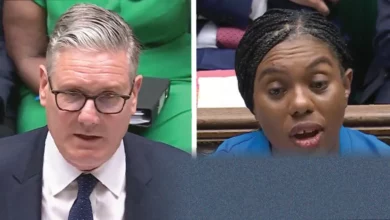
The Conservatives are seeking to corner Sir Keir over what they allege are inconsistencies between his previous claim that “no pressure whatsoever” was applied to Robbins and the former civil servant’s description of “an atmosphere of pressure” and “constant chasing.” Chris Philp, the shadow home secretary, has called for Sir Keir to face the Commons privileges committee over allegations that he misled parliament. “Now we need the privileges committee to investigate whether Keir Starmer misled parliament, which he appears to have done,” Philp told the BBC’s Sunday with Laura Kuenssberg show. “Frankly, Keir Starmer should resign because he appointed Mandelson in the first place, which is a terrible, terrible misjudgment – a man with links to Russia and China and Jeffrey Epstein.”
Yet the Conservative push is not universally backed. The former Tory attorney general Dominic Grieve accused his own party of playing “political games” by seeking a vote on launching a privileges committee investigation. “The appointment of Peter Mandelson is currently being properly scrutinised as part of the humble address process and the work and hearings being conducted by the foreign affairs committee,” Grieve said. “Seeing that this appointment is being explored during these processes and all the evidence is not yet considered, it is impossible to see how starting a reference to the privileges committee is either useful or indeed ‘due process’. Ensuring that ministers do not mislead parliament is of great importance but it should not just be turned into political games.” Harriet Harman, who chaired the privileges committee investigation into Boris Johnson, described the Conservative proposal as a “complete duplication” of the work already under way by the foreign affairs committee.
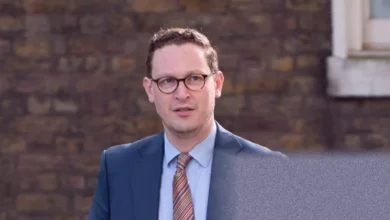
Darren Jones, the chief secretary to the prime minister, mounted a defence of Sir Keir on Sunday, telling Sky News that “no wrongdoing by the prime minister has been proven in relation to Lord Mandelson’s appointment,” and described the whole situation as “regrettable.” He added: “Of course these particular questions of whether the prime minister had lied or misled the house, or had done any wrongdoing here, that’s all been shown not to be the case.” Jones also suggested that the Mandelson affair had not dominated constituency concerns, with voters more focused on issues such as energy bills.
Behind the scenes, however, internal party unrest is evident. Polling of Labour members indicates a majority believe Sir Keir has handled the affair badly, though most still think he should not resign. Reports suggest discontent among backbenchers, with some warning that a leadership challenge could become imminent if the party performs poorly in upcoming elections. The prime minister’s former chief of staff Morgan McSweeney is expected to face questions about allegations of extreme pressure on the Foreign Office when he appears before the foreign affairs committee, as the full picture of what Downing Street knew – and when – continues to be pieced together.