British pupils get European Integration lessons as Labour’s Erasmus scheme requires EU flag in schools

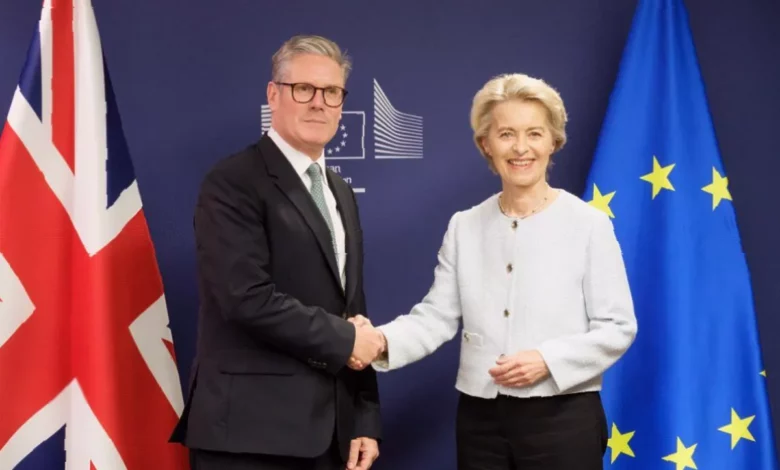
Tory MPs have warned that British children risk being “brainwashed by Brussels” following Labour’s decision to rejoin the EU’s Erasmus+ exchange programme, a move they brand a costly exercise in political indoctrination.
Sir Keir Starmer’s government finalised the UK’s return to the £570 million-a-year scheme this week, presenting it as a vital gateway to opportunities for young people. However, Conservative backbenchers have reacted with fury to the mandatory conditions attached, accusing the Prime Minister of signing up to a “propaganda machine” designed to unpick Brexit.
‘A Trojan horse for EU propaganda’
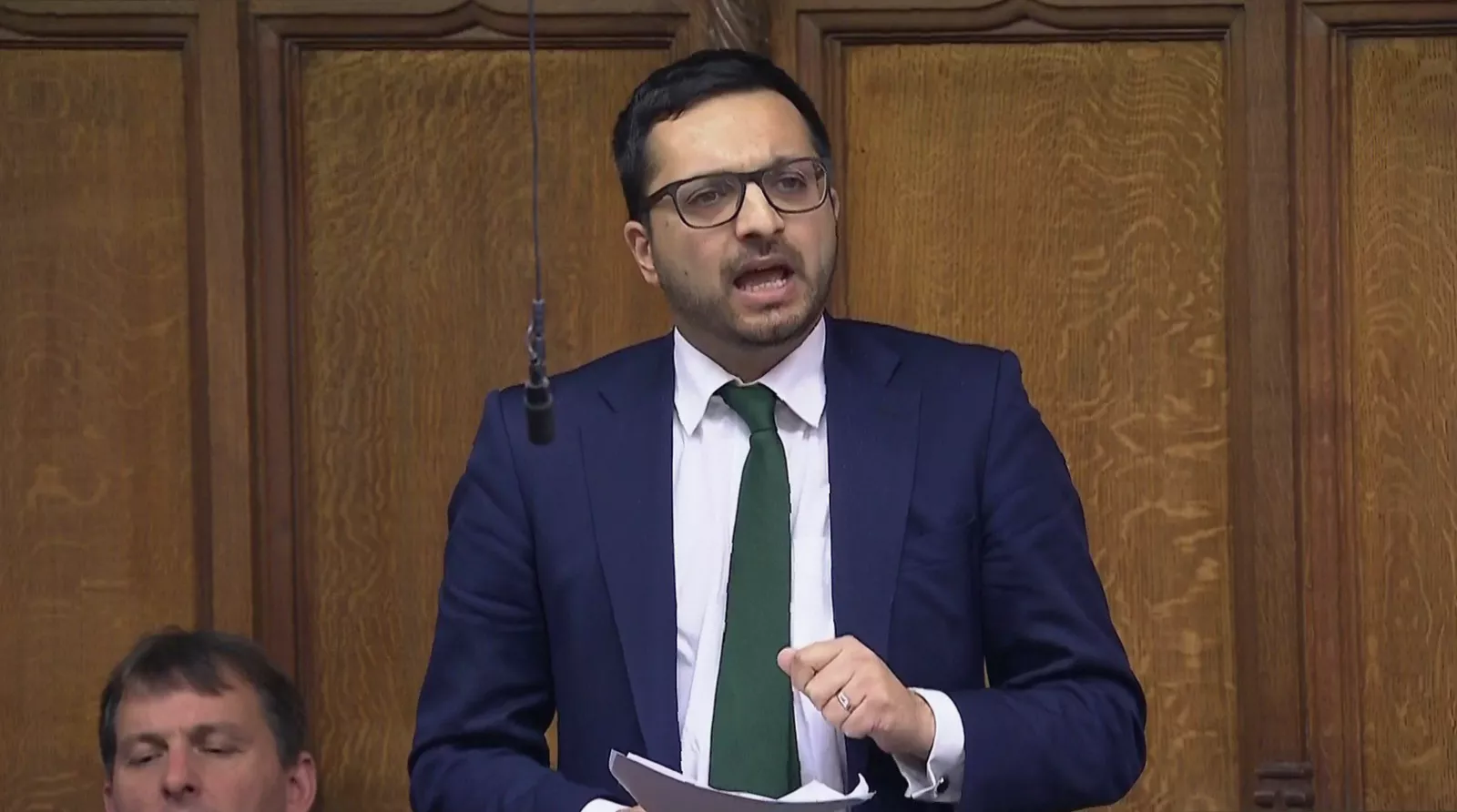
The fiercest criticism centres on the programme’s requirement for participating schools, colleges, and universities to actively promote what it terms “European identity”. Tory MP Saqib Bhatti said: “This is a thinly veiled attempt to brainwash children, with EU propaganda beamed right into their schools, colleges and universities. We all know Starmer wants to unpick Brexit, but now he is resorting to mind control to do it.”
His colleague, Mike Wood, described the scheme as “a Trojan horse for the EU propaganda machine,” warning that the Prime Minister had committed British taxpayers to a deal that “forces the promotion of the EU.” The decision was taken without a parliamentary debate or vote, drawing sharp criticism from opposition benches.
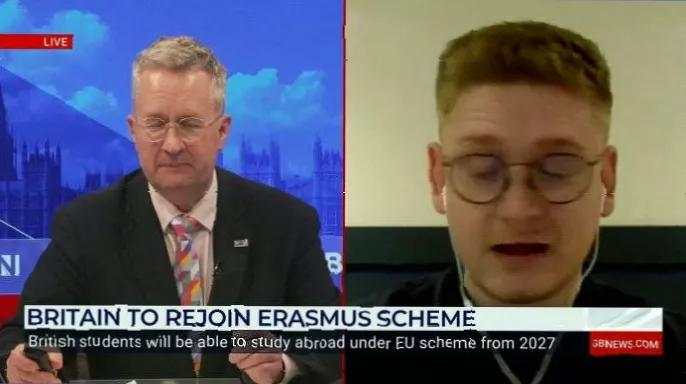
The fine print: flags, curriculum, and fines
The controversy stems from the specific, binding rules institutions must follow. Under the Erasmus+ framework, participating bodies are contractually obliged to incorporate EU-related topics into their teaching and work to strengthen a “common European identity” among participants, a programme objective that can apply to pupils as young as four.
Institutions must also ensure the EU flag is displayed prominently on their premises and at events. Furthermore, all communication materials—from printed documents and websites to social media posts—must acknowledge the financial support of the European Union. Failure to comply with these visibility and identity-promotion rules can result in significant financial penalties for the institutions involved.
This mandate has sparked a clash with the government’s own guidance on political impartiality in schools, which prohibits the promotion of partisan political views and requires a balanced presentation of opposing arguments. Ministers, however, insist the law on impartiality remains unchanged.
From Turing to Erasmus: a costly shift
The return marks a definitive reversal of post-Brexit policy. The UK participated in Erasmus+ until 2020, after which Boris Johnson’s government rejected continued membership, deeming it poor value for money with an estimated net cost of £2 billion over seven years. It was replaced by the globally-focused Turing Scheme.
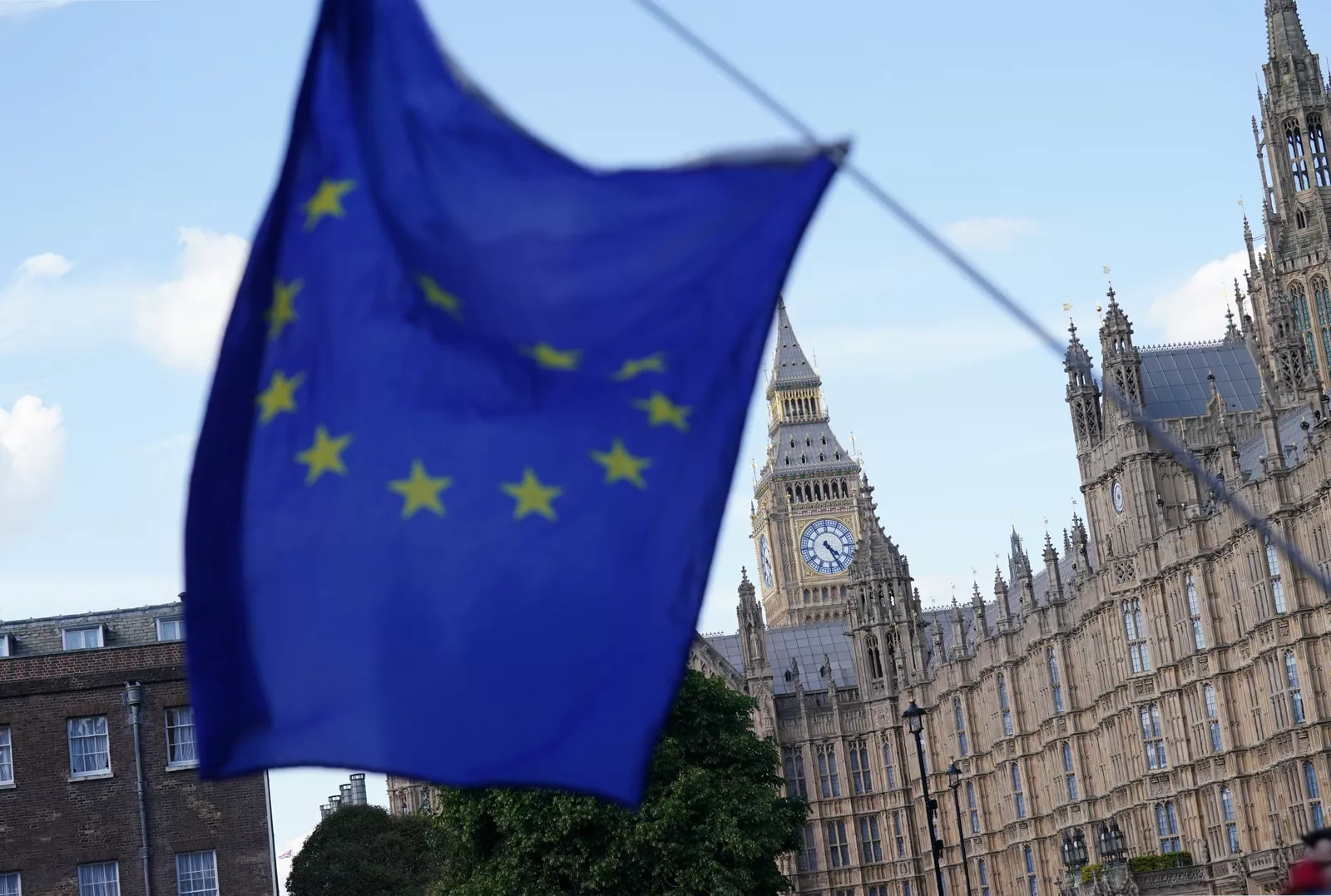
Critics highlight a stark cost difference. The Turing scheme operated at a considerably lower cost—approximately £130 million for the 2023/24 period—as the UK was not required to subsidise inbound students from the EU. In contrast, the UK’s re-entry into Erasmus+ comes with a contribution of approximately £570 million for 2027 alone, a figure ministers stress is at a 30% discount to standard terms.
Conservative MPs argue this is nearly double what Britain previously contributed and represents poor value, especially as historical data showed twice as many EU students were funded to come to the UK than British students going the other way. Labour intends to wind down the Turing scheme, which had enabled disadvantaged British students to gain experience worldwide.
Government defends ‘life-changing opportunities’
In defence of the move, a government spokesman said: “The law is clear that schools must remain politically impartial, and rejoining Erasmus does not change this. Erasmus will enable hundreds of thousands of children and young people to access life-changing opportunities to travel and study abroad.”
Administratively, a new UK National Agency will be established to run the programme, with the British Council expected to resume the role it held until 2020. Applications are slated to begin in mid-2026 for full participation from the 2027-28 academic year. The government has negotiated the discounted contribution, arguing it is a “fair deal for taxpayers” that reflects the UK’s past status as a net receiver of Erasmus+ participants.
Proponents, including the Russell Group of Universities, welcome the return, citing research suggesting that ending Erasmus+ could cost the UK over £200 million a year in economic benefits. They argue it offers more comprehensive support, including for disadvantaged students, and is a key step in repairing UK-EU relations. Sir Keir Starmer has pointed to shifting global circumstances and a damaged transatlantic relationship as justification for deepening European partnerships.
The UK’s association is confirmed only until the current Erasmus+ framework ends in 2028, meaning a further negotiation will be required for continued participation beyond that date.