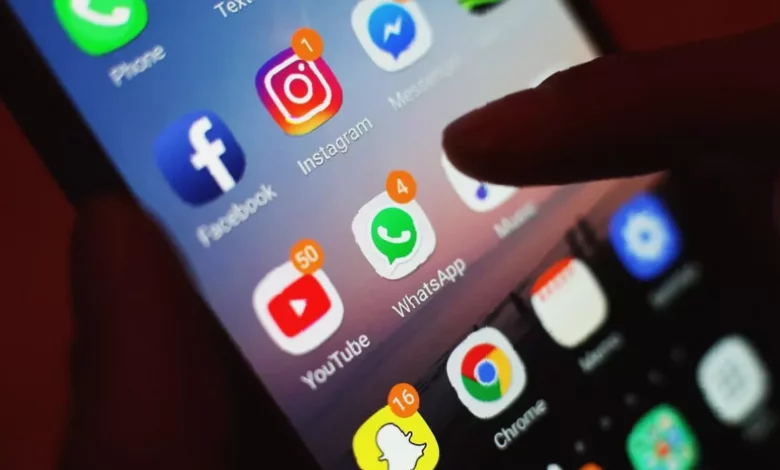
MPs face a stark choice this week as they prepare to vote on one of the most contentious digital safety measures in a generation: whether to impose an immediate ban on social media use for children under 16, or to opt for a more cautious, flexible approach championed by the government.
The House of Commons will on Monday debate a Lords-backed amendment to the Children’s Wellbeing and Schools Bill that would mandate a default block for under-16s on the most harmful platforms within 12 months of the bill becoming law. The move, spearheaded by Conservative peer Lord Nash, has been described by its architect as a necessary step to halt a “societal catastrophe” driven by children’s addiction to social media.
However, the government opposes this strict age limit. Instead, it has tabled an alternative amendment seeking broader powers, which would allow ministers to impose restrictions—such as social media curfews or screen time limits—following the outcome of a public consultation launched last week.
The Parents’ Plea: “We Cannot Afford More Delay”
This legislative crossroads is charged with profound personal tragedy. Twenty-three bereaved parents, whose children lost their lives in circumstances connected to social media, have written to MPs urging them to reject the government’s consultation and back the immediate ban.
Among them is Esther Ghey, mother of murdered teenager Brianna Ghey. She argues that children are being “exploited, radicalised, and harmed emotionally and physically” online and links her daughter’s “social media addiction” and desperation to be “TikTok famous” to a decline in her mental health, exacerbating an eating disorder and self-harm. Ms Ghey says Brianna received no support from platforms when reporting negative comments, and believes the government is “kicking the can down the road” with its consultation.
“Parents across the country are crying out for help,” she stated, warning that mothers and fathers “cannot regulate billion-dollar technology companies from their kitchen tables.” Her call to “stop the harm without delay” is echoed by a coalition of organisations including the National Education Union, Mumsnet, and Health Professionals for Safer Screens, who are also demanding an immediate ban.
Evidence of Harm and the “Addictive Design” Dilemma
The push for stricter controls is backed by a growing body of evidence highlighting the impact of social media on young people’s wellbeing. Research indicates heavy use is linked to increased anxiety, depression, loneliness, and poor body image, fostered by a relentless “comparison culture”. A UK Youth report found 70% of young people believe social media harms their mental health.
Critics point to platforms’ “addictive design features”—such as infinite scrolling and autoplay—which are explicitly mentioned in the government’s consultation as potential targets for restriction. Nearly half of young people surveyed show early signs of addictive behaviour. Further risks include cyberbullying, which 27% of UK children aged 8-15 have experienced, and exposure to harmful content, including material related to self-harm, often without seeking it.
This evidence forms the backdrop to international action, with Australia introducing a world-first ban for under-16s in December 2025. Countries including Ireland, Germany, Spain, and Greece are also considering age restrictions.
The Government’s Gambit: Consultation and “Flexible Powers”
The government’s preferred path is one of deliberation. Its three-month consultation, launched on 2 March and running until 26 May, explores a suite of options beyond a simple age ban. These include potential overnight social media curfews, switching off addictive features, and regulating AI chatbots and gaming platforms.
Technology Secretary Liz Kendall vowed to “create a digital world that gives young people the childhood they deserve.” A government spokesperson said the “short, sharp consultation” would allow ministers to “hear all perspectives, build consensus where we can, and then act decisively”.
To inform this decision, the government plans real-world pilot schemes involving around 150 children aged 13-15, testing the effects of complete bans, one-hour daily limits, and overnight screen curfews on sleep, mood, and physical activity.
Counterarguments and the Challenge of Enforcement
Not all voices support a blanket ban. Some children’s charities and advocacy groups, such as the NSPCC and the 5Rights Foundation, warn that an outright prohibition could drive children to less regulated, darker corners of the internet or leave them unprepared for online life later. There are also concerns about unintended consequences for marginalised groups who find community online, and questions over the practical enforcement of any age ban.
These concerns feed into the government’s argument for flexible powers. They also align with a broader debate over whether the focus should be on holding technology companies accountable for their platform designs, rather than solely on restricting access. Reports indicate tech companies and their lobbyists have had significantly more meetings with ministers than child safety campaigners in recent times.
The existing regulatory framework, the Online Safety Act 2023, places duties on platforms to protect children and allows for fines of up to £18 million or 10% of global revenue for non-compliance. However, campaigners argue its implementation has been too slow and insufficiently ambitious.
A Defining Vote and a “Big Tobacco” Moment
As MPs weigh their decision, the political pressure is tangible. Campaign groups like Smartphone Free Childhood, through its “Raise the Age” campaign, have rallied 250,000 supporters to write to MPs. Mumsnet research suggests 92% of parents are concerned about social media’s impact, with 83% supporting an under-16 ban.
Lord Nash has framed Monday’s vote as a clear-cut decision between action and delay. He argues the government’s amendment is a “blank cheque” and that further consultation only gives “big tech companies time to mobilise against action”.
The debate unfolds against a symbolic legal backdrop overseas: a major trial in Los Angeles is examining claims that Instagram was deliberately designed to addict and harm children, a case being described as a potential “Big Tobacco” moment for the social media industry. The outcome of the Commons vote will determine whether the UK government chooses immediate, prescriptive action or a more measured, evidence-based pathway in its attempt to safeguard a generation growing up online.