Foreign Office chief leaks prompt Starmer leadership crisis as Mandelson and Doyle speak out

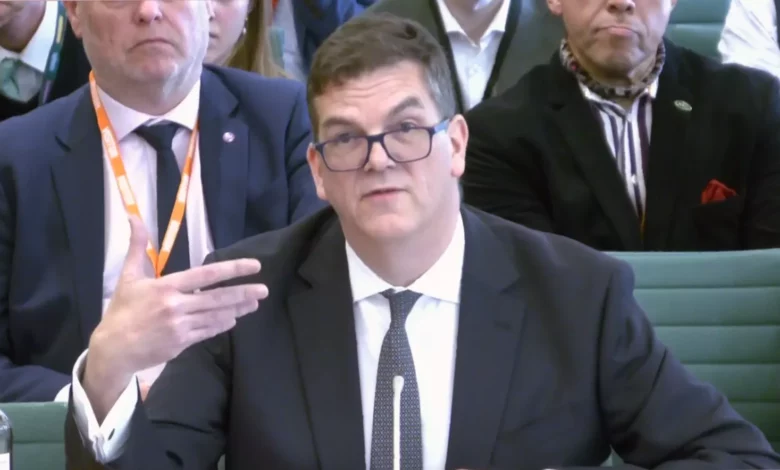
Downing Street subjected the Foreign Office to “constant pressure” and a “dismissive approach” to force through the security vetting of Lord Peter Mandelson as US ambassador, according to bombshell evidence from the department’s former top official.
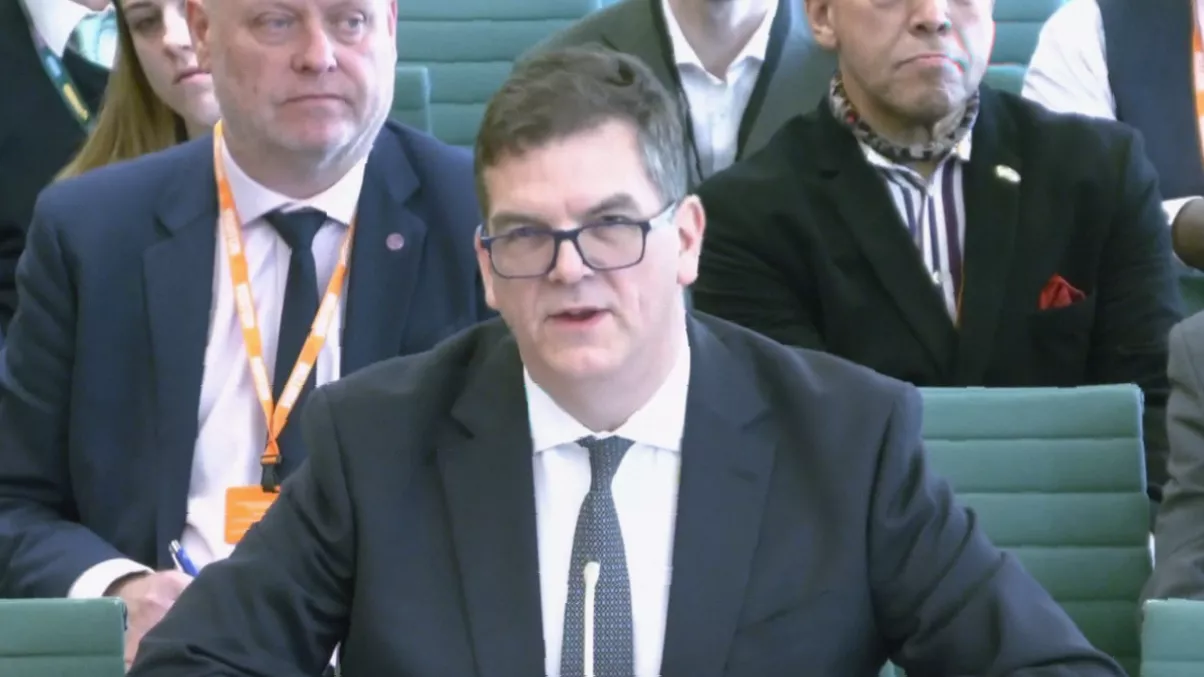
Sir Olly Robbins, sacked last week by the Prime Minister, told the Foreign Affairs Committee that an “atmosphere of pressure” was created by Number 10, with its private office engaged in “very frequent communication” and “constant chasing” to install the controversial peer in Washington as quickly as possible.
Robbins’ Accusations of Political Pressure
In a detailed letter to the committee and under fierce questioning from its chair, Dame Emily Thornberry, Sir Olly laid bare the strain placed on the vetting process. He said the focus from Downing Street was solely on “when” the appointment would be finalised, “never any interest, as far as I can recall, in whether.”
“I certainly did arrive to an atmosphere where this was not just ‘please get this done quickly’, it was ‘and get it done’,” he testified. He insisted, however, that this pressure did not cloud the judgement of the security team conducting the checks.
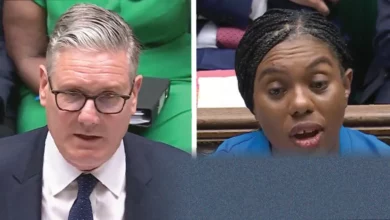
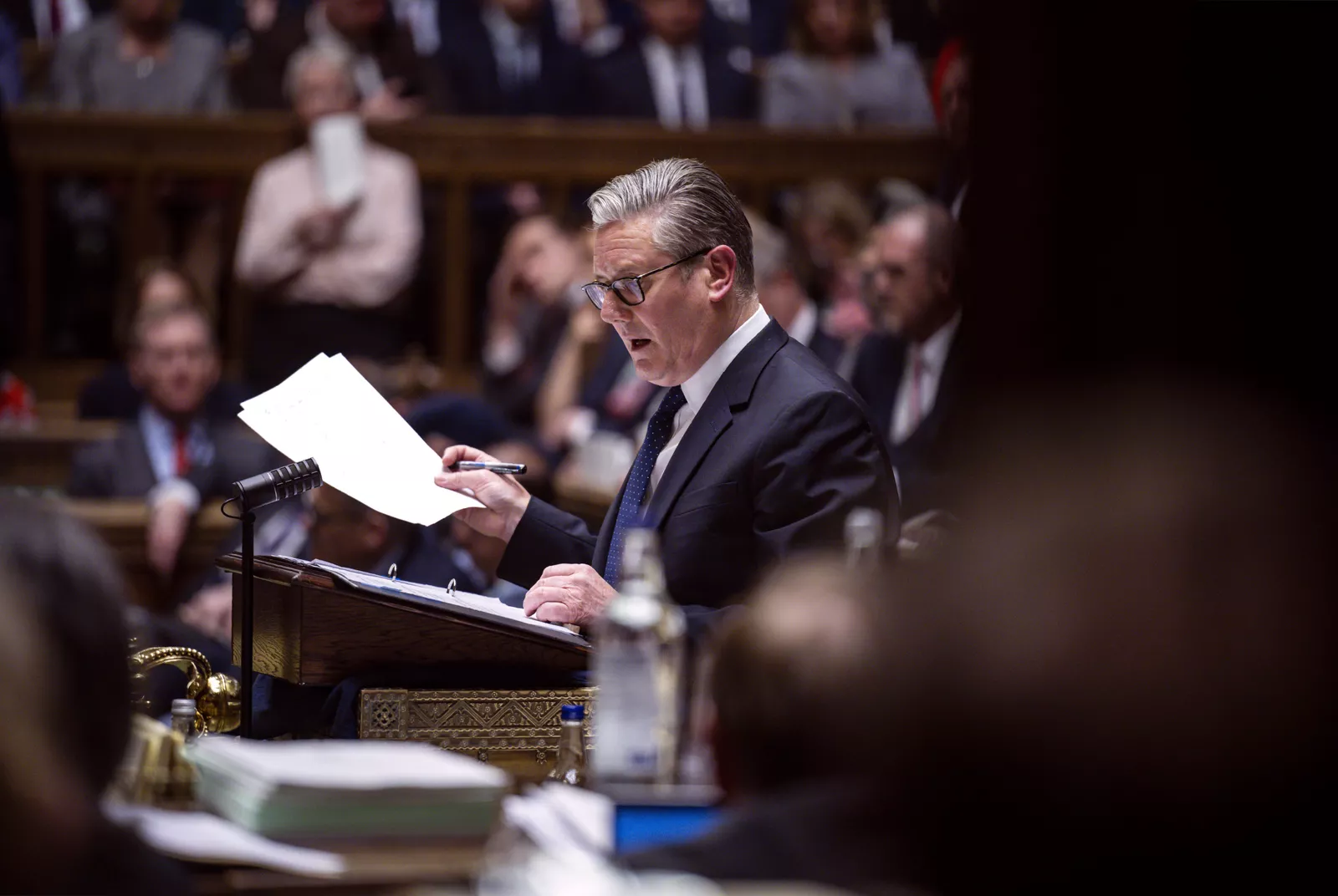
Sir Keir Starmer has blamed Sir Olly for “deliberately and repeatedly” keeping him in the dark over the vetting failure, claiming he only learned of it this month and found the concealment “staggering” and “unforgivable.” He told the Commons he sacked the senior civil servant after rejecting his explanation for overruling the security advice.
The Contested Vetting of Lord Mandelson
The core of the controversy lies in the formal security clearance. The UK Security Vetting (UKSV) agency had concluded Mandelson was a “man of high concern” and was leaning towards recommending clearance be denied. Sources indicate UKSV formally denied clearance on 28 January 2025.
Sir Olly acknowledged UKSV saw it as a “border line” case but stated the Foreign Office’s own security team believed the issues of “highest concern”—which he confirmed were unrelated to Mandelson’s links with Jeffrey Epstein—could be “mitigated or managed.” Developed vetting (DV) clearance was subsequently granted by the Foreign Office on 29 January 2025, the day before he took up the post.
This process was already contentious. Sir Olly revealed that when he took over the Foreign Office in January 2025, developed vetting was underway but “due diligence” by the Cabinet Office was complete. He said the Cabinet Office had even suggested that Mandelson, as a privy counsellor, might not need formal vetting. Furthermore, Mandelson was already receiving highly-classified briefings on a case-by-case basis.
This, Robbins stated, “resulted in a dismissive approach to developed vetting from Number 10 Downing Street for the remainder of the process.” He defended his decision to share only the final outcome with ministers, not the internal concerns, citing normal process.
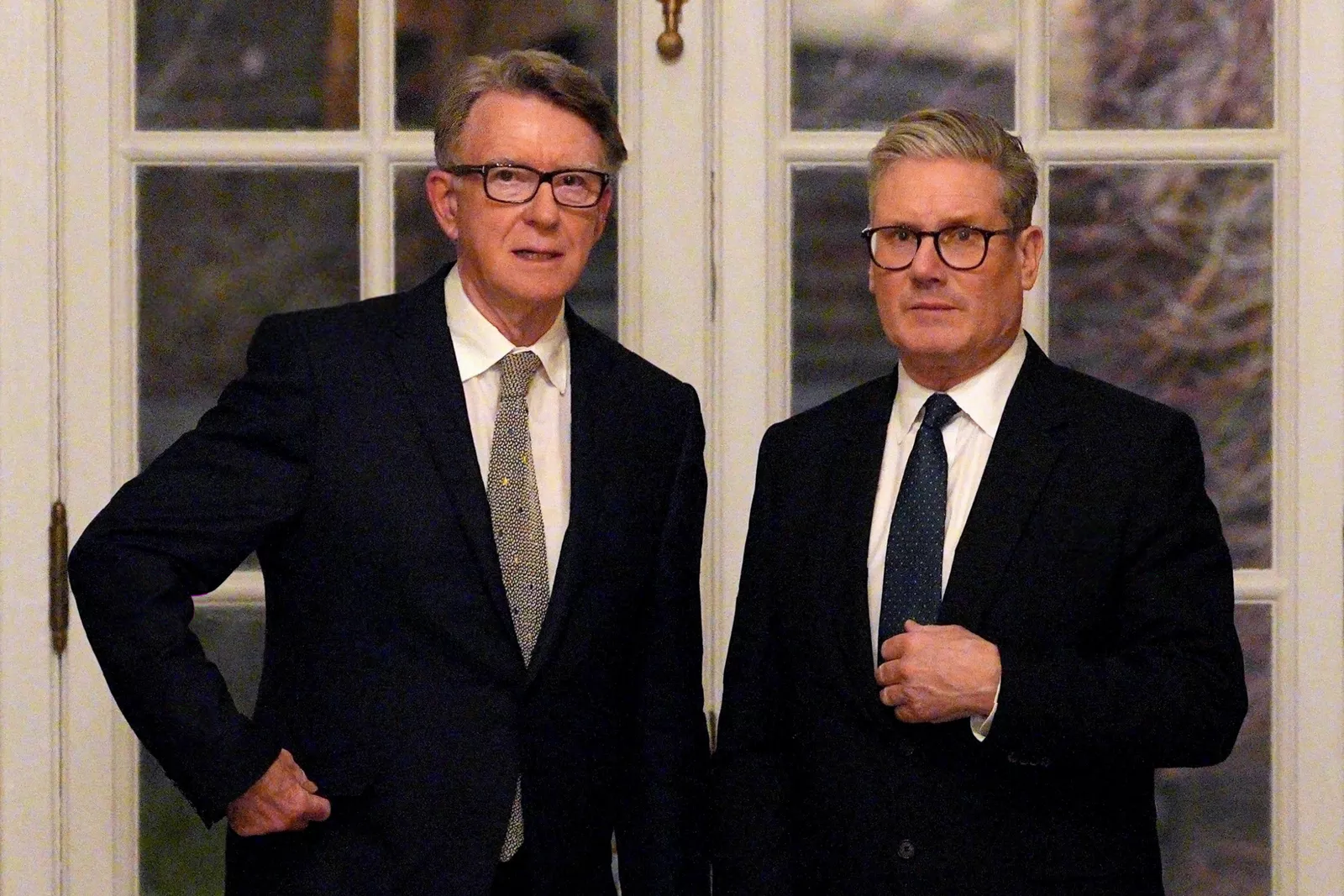
Critically, documents suggest the Prime Minister was warned much earlier. The then Cabinet Secretary, Simon Case, advised Sir Keir in November 2024 to complete security vetting *before* announcing the appointment. Mandelson’s role was announced on 20 December 2024. He was sacked as ambassador in September 2025 after new Epstein revelations emerged, and has since been arrested on suspicion of misconduct in public office and resigned from the Labour Party.
Downing Street’s Push for a Doyle Ambassadorship
The pattern of political pressure extended to another controversial figure, the evidence suggests. Sir Olly told MPs he was made to feel “quite uncomfortable” by suggestions from Number 10 that Sir Keir’s former communications chief, Lord Matthew Doyle, be given an ambassadorship.
He said there were “several discussions initiated by No 10 with me” about finding a “head of mission opportunity” for Doyle shortly after Robbins took office. “I was under strict instruction not to discuss that with the then foreign secretary, which was uncomfortable,” he added, noting he repeatedly advised that such an appointment would be very hard to defend.
This was particularly sensitive, he said, as it coincided with discussions about restructuring that risked experienced diplomats losing their jobs. The proposal, which Robbins suggested Lord Mandelson was also asked about, has led to accusations that Starmer’s team considered a second politically-appointed ambassador with links to a paedophile.
Lord Doyle had the Labour whip withdrawn in February 2026 after it emerged he campaigned for former councillor Sean Morton, convicted of possessing indecent images of children. Downing Street states it was unaware of these links before Doyle’s peerage was announced last December, though reports suggest Doyle had confirmed his support for Morton to Starmer’s communications chief while in Number 10.
The Prime Minister has apologised for the Mandelson appointment, calling it “wrong,” and has faced intense criticism over his judgment regarding both allies. The government has since announced reforms, confirming diplomatic appointments will no longer be announced until vetting is complete.
The sacking of Sir Olly Robbins has also drawn warnings from former Cabinet Secretary Gus O’Donnell, who said it risks a “serious and sustained chilling effect on serving and prospective civil servants.”