Former top civil servant Lord Sedwill has called for Sir Olly Robbins to be reinstated after the sacked Foreign Office permanent secretary gave explosive testimony about the vetting of Lord Peter Mandelson, arguing the prime minister should retract his accusations and restore a career diplomat who “shouldered his responsibilities rather than shunting them”.
Writing on social media after Sir Olly’s appearance before the Foreign Affairs Committee, Lord Sedwill said the former mandarin displayed “the calm integrity and intelligence, which have characterised his distinguished career of public service”. He accused Sir Keir Starmer of having appointed Lord Mandelson against official advice, announced the appointment without security vetting having been completed against official advice, and later claimed he would have changed his mind had he been told of concerns he already knew about. “The question for him was not whether to tell the prime minister what he already knew, but whether those issues could be mitigated enough to allow Mandelson access to the secret intelligence necessary to do his job,” Lord Sedwill wrote. “He took the professional judgement that they could. Unwisely as it turned out, he shouldered his responsibilities rather than shunting them.” He added: “The prime minister should retract his accusations against Olly Robbins and reinstate him to the job the country needs him to do of getting the diplomatic service into shape for the second quarter of the 21st century.”
Robbins describes ‘atmosphere of pressure’ from No 10
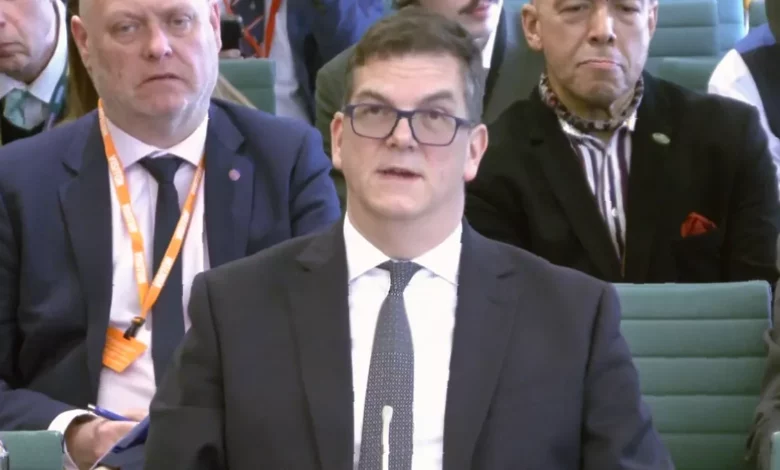
In his explosive testimony on Tuesday, Sir Olly told MPs there had been a “dismissive approach” to developed vetting from Downing Street and an “atmosphere of pressure” to get Lord Mandelson’s appointment as UK ambassador to the US over the line. He said it was normal not to share the findings of the vetting process with the prime minister and described feeling under pressure to clear the peer for the role. Sir Olly explained that when he took over at the helm of the Foreign Office in January last year, Lord Mandelson had already been through the Cabinet Office’s “due diligence” process, the King and the US had given their approval, and he was already being granted access to “highly classified briefings” on a case-by-case basis – without his security clearance being confirmed. According to Sir Olly, the Cabinet Office had suggested that vetting might not be necessary given Lord Mandelson’s status as a member of the House of Lords and a Privy Counsellor. He also revealed that he had been briefed that Lord Mandelson was a “borderline case” and that the UK Security Vetting (UKSV) agency was “leaning towards recommending that clearance be denied”.
Sir Olly said he did not see the full vetting file, describing it as a “hermetically sealed box”. Despite the pressure, he insisted the process was completed to the normal standard. He also claimed he was pressured to find a diplomatic role for Lord Matthew Doyle, a former No 10 director of communications, and was instructed not to discuss the matter with the then-foreign secretary, David Lammy. Sir Olly has indicated he is taking legal advice over his dismissal.
Lord Mandelson’s appointment had already been controversial owing to his past associations with the late financier Jeffrey Epstein. Court documents linked to Epstein disclosed payments to Lord Mandelson or his partner, and emails suggested he shared sensitive UK government information with Epstein. Lord Mandelson has resigned from ministerial office twice in previous governments.
No 10 rejects claims and announces vetting reforms
Downing Street has rejected Sir Olly’s characterisation of events, insisting there is a distinction between “the idea of pressure” and “being kept informed about the process and the progress of the appointment”. Sir Keir Starmer has admitted he made a “wrong judgment” in appointing Lord Mandelson and takes full responsibility. He told the Commons that he had challenged Sir Olly over why he went against the recommendation of UKSV and did not accept his explanation. The prime minister said he learned of the vetting failure on 14 April 2026, describing it as “staggering” and “unacceptable” that he and other ministers were not informed. Sir Keir has also accused Sir Olly of deliberately obstructing the truth.
In response to the controversy, the government has announced reforms: direct ministerial appointments for senior ambassadorial roles must now pass security vetting before being confirmed or announced, and the Foreign Office’s power to make the final decision on developed vetting clearance has been suspended. The changes follow guidance from 2022 that allowed conditional appointments pending vetting completion, and reflect a historical practice in which, for external appointments, security clearance could occur after the appointment but before the individual took up the post.
Union warns of ‘real chill’ across civil service
Dave Penman, general secretary of the FDA trade union – which represents the UK’s senior public servants and professionals – accused Sir Keir of sending a “real chill throughout the civil service” after the decision to sack Sir Olly. Speaking to BBC Newsnight, Mr Penman said the sacking was “completely unjustifiable” and argued that the prime minister was “losing the ability to work with the civil service”. “Who in the civil service would now think they would be immune from when it is politically expedient to be dismissed?” he asked. “That’s not a place any government wants to be because it doesn’t deliver for the people of the country.”