Reduced speed and capacity feared for HS2’s northern section as train size plans change, expert warns

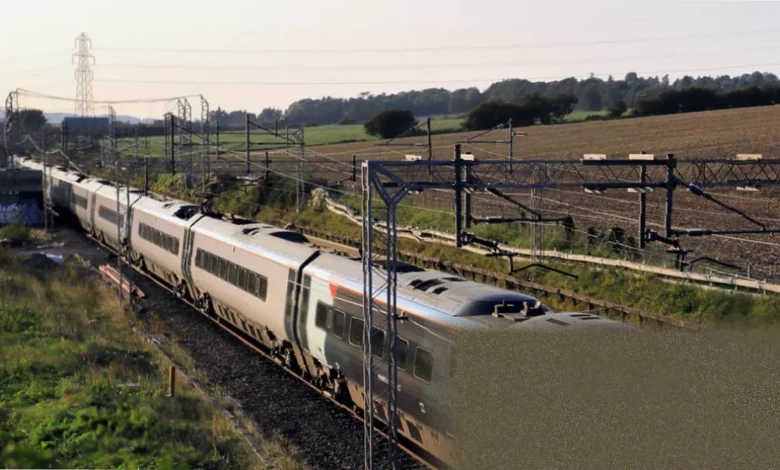
A senior government and rail industry figure has warned that plans to alter the size of HS2 trains will inflate costs, reduce capacity, and result in slower services for passengers travelling north of Birmingham.
The caution has been issued by Chris Gibb, a non-executive director of the state-owned DfT Operator, who broke ranks to speak in a personal capacity. Despite being a keen advocate of HS2 for 18 years, he told an all-party parliamentary group that changing the existing £2bn order for 54 trains would be a mistake.
The Contract Conundrum
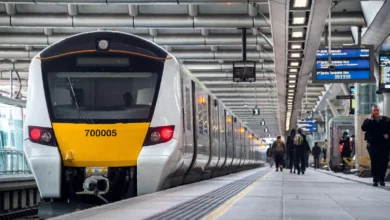
The contract, awarded to a joint venture of Alstom and Hitachi in 2021, is for 200-metre, eight-carriage trains built to couple into 400-metre “double sets”. However, the cancellation of HS2’s northern leg by Rishi Sunak in 2023 has forced a review, as stations like Manchester Piccadilly cannot accommodate the full 400-metre length.
To address this, HS2 Ltd is considering a variation to the order. One option is to purchase around 43 longer trains, each 250 metres, which could serve most stations. The Department for Transport (DfT) and HS2 Ltd are keen to avoid a scenario where services on the conventional railway north of Birmingham have lower capacity than the existing, longer Pendolino trains.
Why Altering the Order Brings New Problems
Chris Gibb’s central warning is that varying the contract would fail to solve the core capacity issue while adding fresh complications and expense. He stated there could be “no doubt that if HS2 opened by replacing 11-coach Pendolinos with eight-coach trains these would be full and leave people behind on day one”.
Changing the design now would cost significant time and money, potentially wasting work already completed on HS2 stations and depots designed for the original trains. Furthermore, Gibb highlighted a critical performance gap: the new Hitachi-Alstom trains lack the tilting mechanism of the Pendolinos used by Avanti West Coast. This would limit their speed on the curved, conventional tracks north of Birmingham, leading to slower journey times.
Even a switch to 250-metre trains, he argued, would still not match the capacity of the current West Coast Main Line fleet. The manufacturing process, which involves bodyshell production at Hitachi’s facility in Newton Aycliffe, County Durham, and final fit-out at Alstom’s factory in Derby, would face costly disruption.
An Alternative Proposal
Gibb’s recommended solution is twofold. First, retain the original order with Alstom and Hitachi to avoid contractual penalties and delays. Second, separately plan to replace the current Pendolino fleet—maintained at the Alstom depot near Manchester Piccadilly—with longer, faster, modern versions by around 2040, when HS2 services are expected to reach the north.
He contends this would “give a significant increase in capacity, revenue and a reduction in journey times on all routes, with no further railway construction needed for now,” and could be a cost saving overall by requiring fewer new Pendolinos.
His suggestion found some support from Lord Berkeley, a long-term HS2 sceptic, who argued for a consistent type of rolling stock. However, Lord McLoughlin, the former transport secretary who steered HS2 into law, called the current situation “a tragedy” and questioned whether Gibb’s plan would also incur significant cost.
The Official Response
The speculation over the train order comes as HS2’s new chief executive, Mark Wild, undertakes a long-awaited “reset” of the project’s schedule and budget with ministers. Wild, who previously led the Crossrail project, is focused on streamlining costs after years of management problems and soaring estimates that have seen some Phase 1 forecasts exceed £100bn.
Both HS2 Ltd and the DfT have issued near-identical statements. An HS2 Ltd spokesperson said: “The Hitachi-Alstom joint venture is contracted to deliver a fleet of 54 new trains for HS2. No changes have been made to the original order,” adding that they were working to finalise designs.
A Department for Transport spokesperson confirmed no changes had been made, stating: “Following years of mismanagement, we are resetting HS2 to get the programme under control and deliver remaining works at the lowest reasonable cost.”