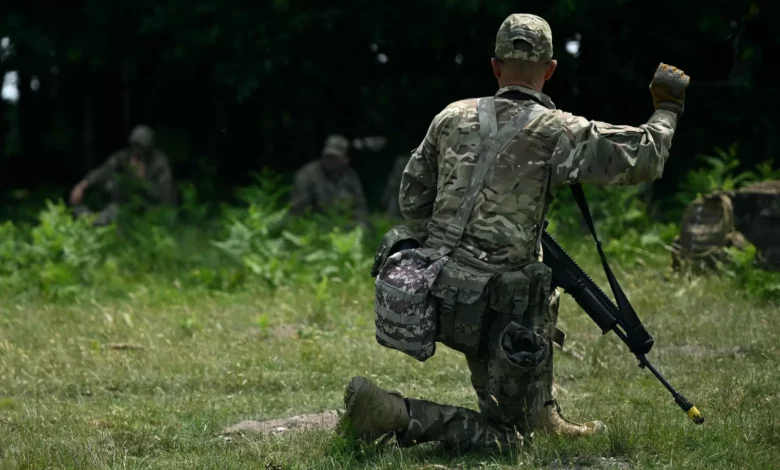
Elite soldiers from the 22 Special Air Service Regiment are resigning in substantial numbers, with senior insiders branding the exodus a direct threat to national security, driven by fears they will face relentless legal pursuit for actions taken on the battlefield.
Multiple sources have confirmed a significant wave of premature voluntary releases from the renowned regiment, with at least two squadrons – D and G – understood to have been affected. The departures include several senior warrant officers, considered the backbone and most seasoned operators of the UK’s premier special forces unit.
The ‘Witch Hunt’ and the Weight of Lawfare
At the heart of the crisis is what serving and former members describe as a “witch hunt” atmosphere, fuelled by ongoing war crime investigations. Personnel reportedly feel a profound sense of betrayal, fearing that years after a combat operation, they will “get a knock on the door” from lawyers.
This environment, often termed “lawfare”, stems from the application of human rights legislation to combat zones. George Simm, a former regimental sergeant major of 22 SAS, argues that laws like the European Convention on Human Rights (ECHR) now prioritise the right to life of “armed terrorists and murderers” over that of the special forces personnel dispatched to stop them. “If a soldier discharges their weapon, they are almost certainly going to get a knock at their door one day,” he said.
The fears are grounded in specific, high-profile investigations. In Afghanistan, an independent inquiry is examining alleged war crimes by UK special forces between 2010 and 2013, focusing on claims of summary executions during night raids, with up to 80 killings under scrutiny. Separately, five SAS soldiers were arrested and remain under investigation for the alleged murder of a suspected jihadist in Syria, with case files having been sent to the Service Prosecuting Authority.
Lt Col Richard Williams, a former commanding officer of 22 SAS, stated the regiment was being hit with a “toxic, double whammy of lawfare persecution and budget cuts,” making it “hardly surprising that professional and loyal soldiers choose to leave”.
A Historical Shadow: The Troubles and the Legacy Act
Adding to the discontent is the treatment of elderly SAS veterans from the Northern Ireland Troubles. Many feel subject to a relentless legal pursuit on allegations that a judge has previously dismissed as “ludicrous”.
This issue has been thrown into sharp relief by political manoeuvring around the Northern Ireland Troubles (Legacy and Reconciliation) Act 2023. The Act, introduced by the previous government, aimed to end prosecutions related to the conflict but was widely criticised and legally challenged. Belfast’s High Court ruled it breached international human rights standards.
The current Labour government has committed to repealing and replacing the legislation. While welcomed by many victims’ groups, this move has sparked outrage in military circles, with some fearing it will leave veterans exposed to new legal action. In an unprecedented step, the SAS Regimental Association has itself initiated legal action against the government, arguing the proposed changes are “manifestly deficient” in protecting former service personnel.
Before Christmas, nine former military chiefs, including General Sir Patrick Sanders, underscored this point in an open letter to the Prime Minister. They warned that soldiers’ confidence in the legal system had eroded to such an extent that it “risks everything”, cautioning that “every British soldier deployed must consider not only the enemy in front of them but the lawyer behind them.”
The Broader Context of a Shrinking Force
The SAS crisis unfolds against a backdrop of systemic decline within the British Army. The service has contracted dramatically from over 100,000 personnel in 2010 to a current fully trained strength of just over 70,000 – its smallest size since before the Napoleonic Wars and on course to dip below 70,000 for the first time since 1793.
This shrinkage, a result of successive defence reviews and budget decisions, exacerbates the impact of losing highly trained, irreplaceable special forces operators. The nine retired generals, in their letter, explicitly linked the legal scrutiny to operational effectiveness, calling it a “direct threat to national security”. Similarly, seven former SAS commanders warned in December that Britain’s elite troops risked becoming scapegoats, and that their humiliation “rewards Moscow, Tehran and Beijing”.
A Ministry of Defence spokesman said the Government was “committed to ensuring that the legal framework governing our Armed Forces reflects the practical realities of military operations, and that those who served with honour are properly protected”. For an increasing number within the SAS, that commitment has come too late.